



Explore Our Blogs
Gain actionable insights on corporate learning, team performance, and global certifications. Our blog is your go-to resource for driving measurable results through smarter training.

Read Our Latest Blogs
What is a Quality Management System (QMS): A Comprehensive Overview
2026-02-06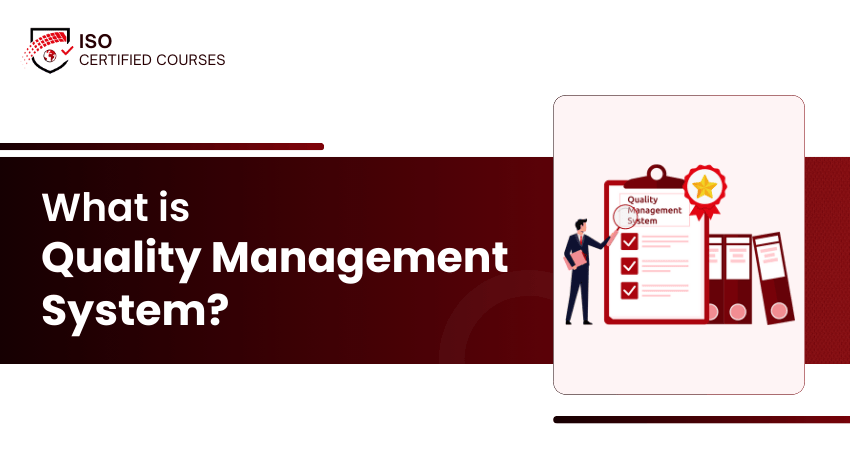
What is a Quality Management System (QMS): A Comprehensive Overview
A Quality Management System is a set of processes and controls that help organisations ensure consistent quality, meet customer needs and comply with standards. It focuses on defined processes, risk management, and continuous improvement. It also helps businesses improve efficiency, reduce errors, and build long-term customer trust.
Read MoreISO 14001 and ISO 50001: What are the Differences?
2026-01-29
ISO 14001 and ISO 50001: What are the Differences?
ISO 14001 and ISO 50001 are two standards with different focuses. ISO 14001 focuses on environmental management systems, while ISO 50001 focuses on energy management to improve efficiency, reduce costs and reduce emissions. Both standards drive continuous improvement and structured systems that enhance overall sustainability performance.
Read MoreWhat is ISO 50001: Meaning, Requirements & Clauses Explained
2026-01-24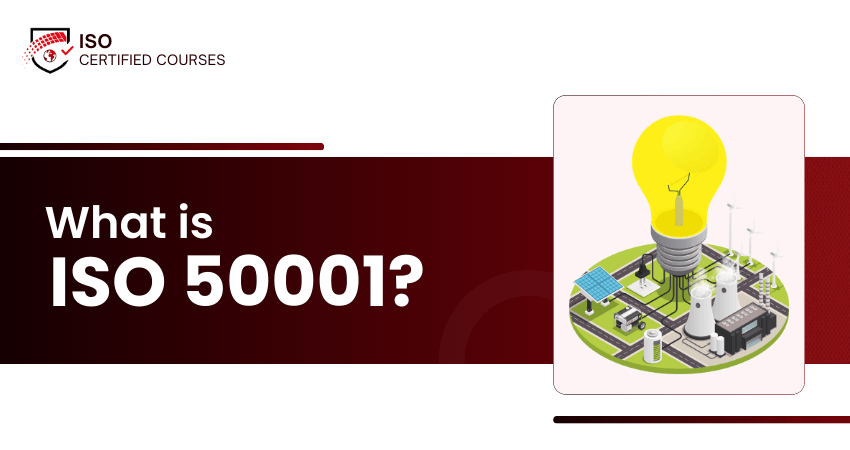
What is ISO 50001: Meaning, Requirements & Clauses Explained
ISO 50001 is a global standard that helps organisations manage energy use, improve efficiency, reduce costs and cut environmental impact. It provides a structured framework to monitor and optimise energy performance across operations. This helps organisations improve sustainability while meeting regulatory and business goals.
Read MoreTop 10 Benefits of ISO 50001: A Detailed Explanation
2026-01-24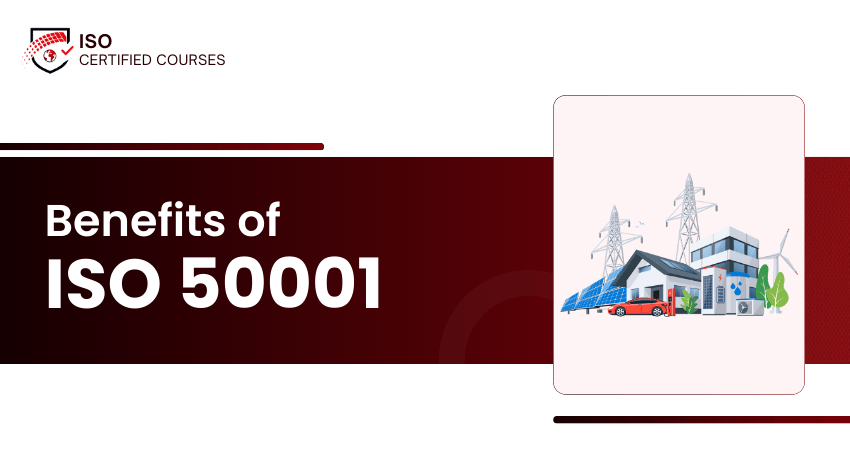
Top 10 Benefits of ISO 50001: A Detailed Explanation
ISO 50001 is an international standard that helps organisations manage and improve their energy use. The Benefits of ISO 50001 include reduced energy costs, improved efficiency, lower environmental impact, effective risk management, and more. It provides a structured system to monitor, control, and continually improve energy performance.
Read MoreISO 27001 Controls from Annex A: What Changed in ISO 27001:2022?
2026-01-17
ISO 27001 Controls from Annex A: What Changed in ISO 27001:2022?
ISO 27001 Annex A contains 93 mandatory security controls organised into four themes: Organisational, People, Physical and Technical. These ISO 27001 controls provide a framework for managing Information Security risks and are essential for compliance with ISO 27001:2022. The structure supports a systematic approach to risk treatment.
Read MoreWhat is ISO 27001: An Overview of the Information Security Standard
2026-01-06
What is ISO 27001: An Overview of the Information Security Standard
ISO 27001 is an international standard for establishing, implementing, maintaining, and continually improving an Information Security Management System. It provides a clear framework to identify threats and apply controls to protect information. This supports compliance, trust, and business resilience across organisations of all sizes.
Read More