



Explore Our Blogs
Gain actionable insights on corporate learning, team performance, and global certifications. Our blog is your go-to resource for driving measurable results through smarter training.

Read Our Latest Blogs
What is ISO 27001 Gap Analysis? A Complete Overview
2026-01-03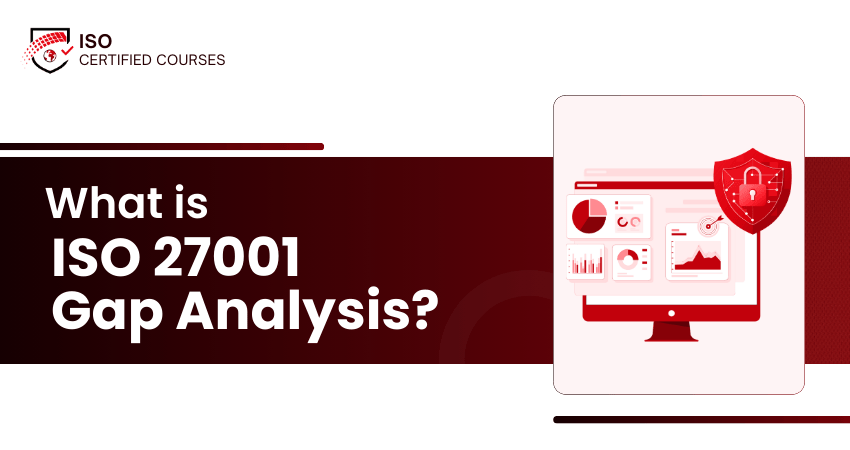
What is ISO 27001 Gap Analysis? A Complete Overview
ISO 27001 Gap Analysis evaluates current Information Security practices against ISO 27001 requirements to identify gaps and needed improvements for compliance. It involves comparing your existing security measures (like policies, procedures, technology, and physical security) against ISO 27001 clauses (4-10) and Annex A controls.
Read MoreISO 17025: An Overview of Laboratory Accreditation
2026-01-03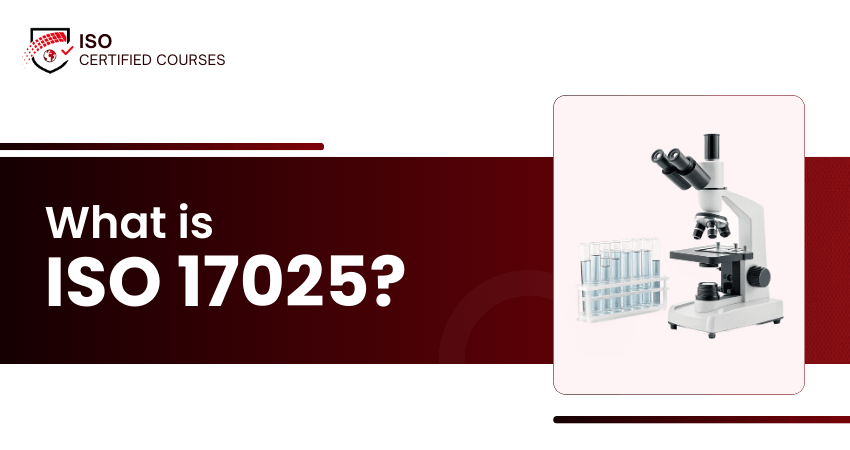
ISO 17025: An Overview of Laboratory Accreditation
ISO 17025 is an international standard that defines the competence requirements for testing and calibration laboratories, ensuring the accuracy of results. It focuses on both management practices and technical operations to ensure laboratories deliver accurate results, practice consistent processes, and use reliable methods.
Read MoreDifference Between OHSAS 18001 and ISO 45001: Detailed Comparison
2026-01-03
Difference Between OHSAS 18001 and ISO 45001: Detailed Comparison
OHSAS 18001 and ISO 45001 are occupational health and safety standards. OHSAS 18001 is focused on managing workplace safety risks through procedures and compliance, while ISO 45001 takes a proactive, people-centred approach. Both aim to reduce workplace risks, improve safety performance, and promote employee well-being.
Read MoreISO 45001 Requirements for Occupational Health & Safety
2025-12-31
ISO 45001 Requirements for Occupational Health & Safety
ISO 45001 establishes an OH&S management system to manage risks, improve safety, ensure well-being and drive improvement through 10 clauses. Its requirements focus on leadership commitment, employee participation, operational control, performance evaluation, and continual improvement. It helps prevent workplace injuries and illnesses.
Read MoreISO 9001, 14001, and 45001: Key Differences and Similarities
2025-12-31
ISO 9001, 14001, and 45001: Key Differences and Similarities
The key Difference Between ISO 9001 and 14001 and 45001 is that they are associated with QMS, EMS, and OH&S management systems, respectively. These standards share many common elements, which can simplify the implementation process of an Integrated Management System (IMS) that incorporates multiple standards.
Read MoreISO 27001 vs SOC 2: Understanding Key Differences
2026-01-02
ISO 27001 vs SOC 2: Understanding Key Differences
ISO 27001 focuses on building a risk-based Information Security Management System, while SOC 2 proves that security controls work effectively for customer data. Both standards help build trust, reduce risks, and provide a strong commitment to data security. Some organisations adopt both to strengthen credibility and market confidence.
Read More