
























Top 14 Benefits of ISO 45001 Certification
ISO 45001 is an international standard that helps organisations manage workplace health and safety risks. The Benefits of ISO 45001 include safer workplaces, reduced health and safety risks, legal compliance, improved productivity, and stronger stakeholder trust. It helps build a proactive safety culture and enhance reputation.

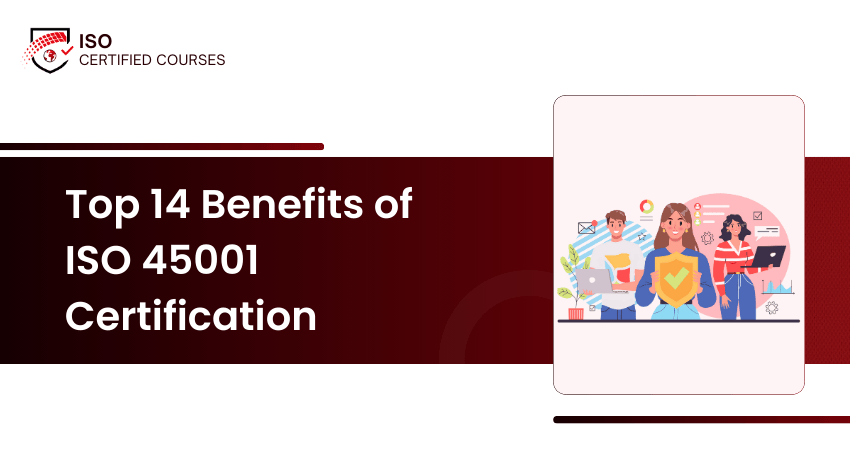
Do you know what the most successful businesses have one thing in common? They protect their people. Behind strong performance, steady growth, and trusted reputations lies a genuine commitment to employee health and safety. However, creating a safe workplace is not about good intentions alone.
It requires clear systems, leadership involvement, and a proactive approach to identifying and managing risks. This is where ISO 45001 plays a vital role in managing workplace health and safety. In this blog, you’ll discover the key Benefits of ISO 45001 to build a strong safety culture. Let's get started!
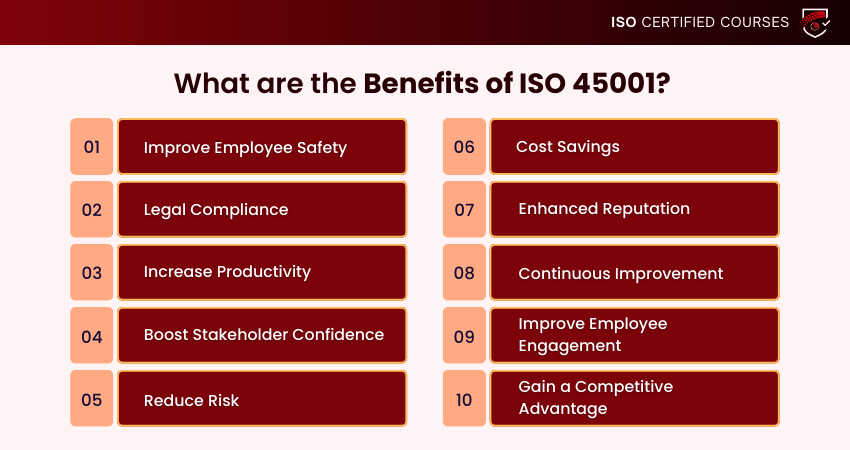
What are the Benefits of ISO 45001?
ISO 45001 is designed to help organisations implement and manage Occupational Health and Safety (OH&S) Management Systems in a structured and practical way. It provides a clear framework for identifying workplace hazards, reducing risks, and preventing injuries or work-related illnesses. By focusing on leadership involvement, it moves safety beyond compliance.
This strong foundation naturally leads to many benefits, from safer workplaces and legal compliance to improved productivity and a positive safety culture. Let's check each of its benefits in detail:
1) Improve Employee Safety
ISO 45001 helps create safer workplaces by proactively finding any risks and hazards before accidents happen. It focuses on prevention rather than reaction, reducing injuries, illnesses, and unsafe conditions.
1) Conduct regular workplace risk assessments
2) Encourage employees to report hazards and near misses
3) Provide proper safety ideas for all roles
4) Use clear safety procedures and signage
5) Review and update safety controls regularly

2) Legal Compliance
ISO 45001 supports organisations in meeting health and safety laws and compliance by aligning processes with legal requirements. It ensures responsibilities are clearly conveyed, risks are documented, and compliance is monitored regularly to reduce the risk of penalties or legal action.
1) Identify applicable health and safety regulations
2) Keep compliance registers up to date
3) Assign legal responsibility to management roles
4) Conduct internal compliance audits
5) Review laws regularly for changes
3) Increase Productivity
A safe work environment reduces the damage caused by accidents, injuries, or employee absence. ISO 45001 improves productivity by ensuring smoother operations, better employee focus, and fewer delays linked to safety issues.
1) Remove unsafe steps that slow down daily work
2) Make workspaces more comfortable and easier to use
3) Teach employees safe and efficient ways to do their jobs
4) Reduce delays caused by workplace accidents
5)Track work performance along with safety results
4) Boost Stakeholder Confidence
ISO 45001 compliance reassures customers, investors, and stakeholders that workplace safety is managed in a professional way. It shows high responsibility, transparency, and commitment to international safety standards.
1) Talk openly about safety practices with stakeholders
2) Show proof of safety compliance when needed
3) Make safety a clear part of business commitments
4) Keep safety information clear and accessible
5) Address questions or concerns about safety quickly
5) Reduce Risk
This ISO 45001 standard focuses on identifying, assessing, and controlling risks across all activities. This reduces the likelihood of serious incidents, legal claims, and reputational damage.
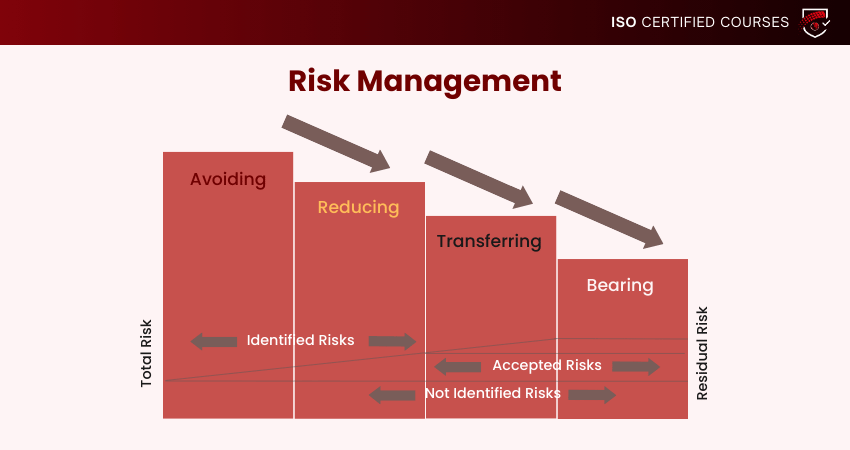
1) Identify hazards across all operations
2) Assess risk levels consistently
3) Implement control measures based on priority
4) Review risks after incidents or changes
5) Track risk trends over time
6) Cost Savings
Preventing injuries or damaging accidents saves money by reducing medical costs, compensation claims, insurance premiums, and operational disruptions. ISO 45001 helps organisations control these hidden costs.
1) Focus on preventing the problem from happening in real life
2) Investigate incidents thoroughly
3) Reduce repeated safety failures
4) Work with insurers on safety improvements
5) Track cost savings from reduced incidents
Strengthen your organisation’s safety system with ISO 45001 Internal Auditor Training – Join now!
7) Enhanced Reputation
This Benefit of ISO 45001 strengthens an organisation’s public image by showing genuine care for employee well-being. A strong safety reputation is more likely to attract clients, talent, and long-term business opportunities.
1) Show consistent commitment to employee safety
2) Maintain a strong safety record
3) Build trust through safe and responsible work practices
4) Handle safety concerns honestly and openly
5) Make safety a visible part of company values
8) Continuous Improvement
ISO 45001 encourages regular review and improvement of safety processes. Organisations are required to learn from incidents and improve systems continuously. This ongoing approach helps businesses adapt to changes, prevent repeat issues, and maintain strong safety over time.
1) Conduct regular internal audits
2) Analyse incidents and issues that are very serious
3) Set measurable safety objectives
4) Review performance in management meetings
5) Implement corrective and preventive actions
9) Improve Employee Engagement
ISO 45001 helps employees feel valued by showing that their health and safety truly matter. When people feel protected at work, they are more engaged, motivated, and willing to take responsibility for safety. This leads to better teamwork, open communication, and a stronger safety culture.
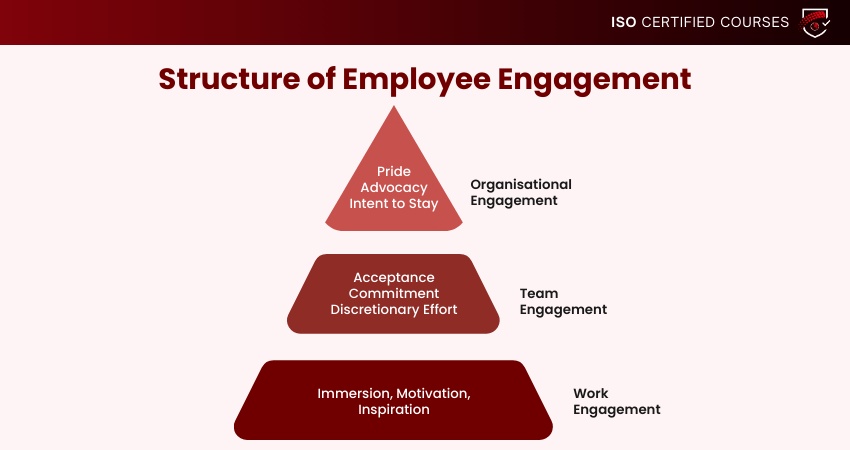
1) Act on employee feedback related to safety
2) Recognise safe behaviour and good practices
3) Involve teams in safety improvement activities
10) Gain a Competitive Advantage
Having ISO 45001 compliance gives organisations an edge over competitors without recognised safety systems. It also shows clients that the organisation is reliable, well-managed, and committed to safe working practices.
1) Use strong safety performance as an advantage
2) Show clients how safety standards reduce risk for their projects
3) Keep safety systems active and well-maintained
4) Make safety part of long-term business planning
Lead health and safety audits confidently with ISO 45001 Lead Auditor Training – Sign up soon!
11) Identify Opportunities
ISO 45001 helps organisations identify opportunities to improve processes and work conditions while improving safety and efficiency. By reviewing risks and daily activities, businesses can find better ways of working that support both safety and performance.
1) Look for improvement areas during routine safety checks
2) Ask employees for ideas to improve safety and work methods
3) Update tools or equipment to reduce manual risk
12) Shift From Reactive to Proactive
Instead of reacting to accidents, ISO 45001 promotes early action and prevention. This approach helps organisations reduce incidents by addressing risks before they cause harm and disruption.
1) Track safety patterns and recurring issues
2) Take action on small issues before they grow into bigger ones
3) Support early reporting of unsafe conditions
13) Improves Managerial Oversight
ISO 45001 clearly defines management roles and responsibilities. Leaders gain better visibility and control over workplace safety performance. This clarity helps Managers make informed decisions and support safer operations.
1) Clearly define safety roles across management
2) Review safety performance as part of routine reporting
3) Discuss safety outcomes during leadership meetings
14) Foster Management Involvement & Accountability
Leadership and accountability are core requirements of ISO 45001. When managers are clearly responsible for safety outcomes, employees take health and safety more seriously. Holding management accountable helps ensure safety rules are followed consistently.
1) Set measurable safety checks and targets
2) Track and review safety performance
3) Take action when safety responsibilities are not met
Conclusion
The undeniable Benefits of ISO 45001 certification include safer workplaces, employee wellness, operational efficiency, and organisational resilience. By embedding risk-based thinking and leadership accountability into daily operations, ISO 45001 helps organisations move from reactive safety management to a proactive, sustainable approach.
Prevent workplace risks effectively with our ISO 45001 Training – Explore now!
Search Smarter
Quickly search through our blog content for what interests you
- Top ISO 9001 Internal Audit Questions and Answers in 2026
- ISO 27005 vs ISO 31000: How to Choose the Right Risk Framework
- Challenges of ISO 14001 and How to Overcome Them
- What are the ISO 27001 Requirements: A Complete 2026 Guide
- 12 Benefits of ISO 27001 Certification for Business
- ISO 27001 vs ISO 27002: Key Difference and Uses Cases
- ISO 17025 vs ISO 9001: Key Differences and Similarities
- ISO 45001 Requirements for Occupational Health & Safety
- ISO 9001, 14001, and 45001: Key Differences and Similarities
- ISO 27001 vs SOC 2: Understanding Key Differences
- ISO 17025 Requirements: Explained in Detail
- What is ISO 27001 Gap Analysis? A Complete Overview
- ISO 17025: An Overview of Laboratory Accreditation
- What is ISO 27001: An Overview of the Information Security Standard
- ISO 27001 Controls from Annex A: What Changed in ISO 27001:2022?
- What is ISO 50001: Meaning, Requirements & Clauses Explained
- Top 10 Benefits of ISO 50001: A Detailed Explanation
- What is a Quality Management System (QMS): A Comprehensive Overview
- ISO 22000: Food Safety Management System Explained
- What is the Statement of Applicability (SoA) in ISO/IEC 27001?
- What is ISO 31000? The Risk Management Standard Explained
- What Is ISO 13485? Understanding Its 8 Key Sections
- ISO 56000: A Comprehensive Guide to Innovation Management
- What is ISO 14064? Components, Execution, and Benefits Explained
- Carbon Footprint: Definition, Types, and How to Calculate It
- ISO 22301: Requirements, Benefits and How to Implement It?
- ISO 9001 vs ISO 9002: Key Differences You Should Know
- Carbon Accounting: Meaning, Benefits, and Challenges
- Ecological Footprint: Meaning, Importance, and Purpose
- Compliance Management System: Components and How to Implement
- What is Competency Management? Benefits, Tips and Best Practices
- ISO 9001 and 27001: Quality Management vs Information Security Management
- ISO 27001 Annex A Controls: Everything You Need to Know
No match found
Frequently Asked Questions
No FAQs available for this blog.